The Patient’s Guide to a Smooth Dental Implant Procedure
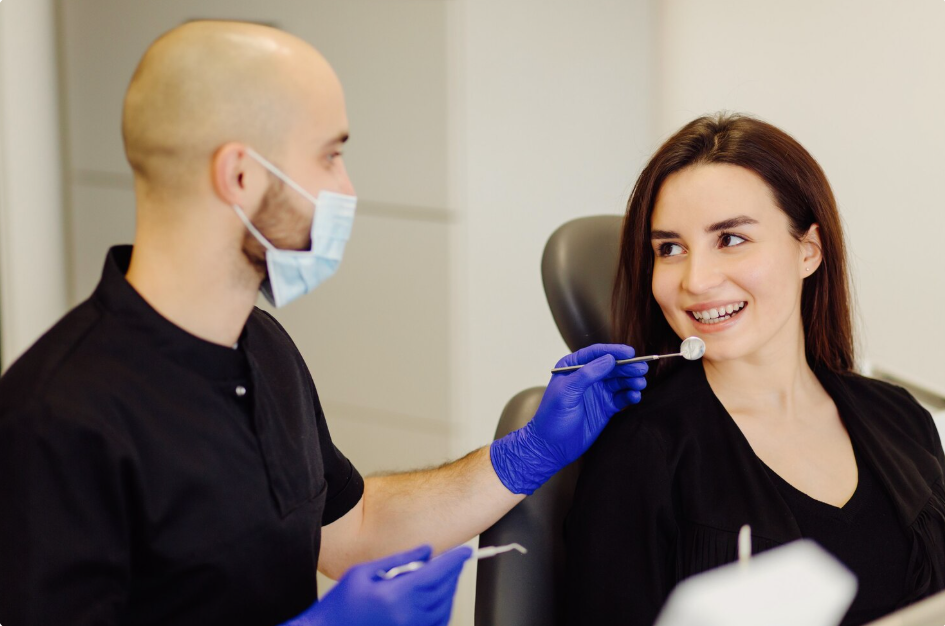
Dental implants are a common way to replace lost teeth because they provide a long-lasting and realistic-looking replacement. Although having oral surgery may seem frightening, it may be made more comfortable and seamless by being aware of the procedure and being adequately prepared. This article explains what to anticipate prior to, during, and following your dental implant treatment.
Being well-informed can help you get the greatest results and lessen worry while replacing one or more teeth.
Before the Procedure: Planning and Preparation
A successful dental implant starts with careful planning. Your dentist will begin with a comprehensive consultation to assess your oral health and discuss your goals.
During this stage, you can expect:
Dental Examination X-rays, 3D scans, or CT imaging help your dentist evaluate bone structure, gum health, and identify the optimal implant placement.
Treatment Planning Your dentist will create a personalized plan, including the number of implants, type of restoration, and the timeline for each stage.
Medical Review Inform your dentist about any medications or health conditions, as these may affect healing or implant placement.
Preparation may also include improving oral health, such as treating gum disease or ensuring adequate bone density, to ensure your implants integrate successfully.
During the Procedure
On the day of your dental implant surgery, the procedure is usually performed under local anesthesia. Some patients may choose sedation for extra comfort.
The surgery itself generally involves the following steps:
Placement of the Implant The dentist inserts a titanium post into the jawbone, which will serve as the artificial tooth root.
Healing Cap or Temporary Crown A temporary restoration may be placed to protect the implant during the healing process.
The procedure is typically straightforward, with most patients describing minimal discomfort during the surgery itself. Advanced dental technology and careful planning ensure precision and reduce the risk of complications.
After the Procedure: Recovery and Care
Proper care during the healing phase is essential for the success of your implant. While mild swelling or soreness is common, these symptoms usually improve within a few days.
Key tips for a smooth recovery include:
Eat soft foods and avoid chewing directly on the implant site for the first few days.
Maintain excellent oral hygiene, gently brushing and rinsing with an antibacterial mouthwash.
Avoid smoking, which can slow healing and increase the risk of complications.
Take prescribed pain medications or antibiotics as directed by your dentist.
Attend follow-up appointments to monitor healing and ensure proper integration of the implant.
Healing and Osseointegration
The process of osseointegration is what makes dental implants durable. During this phase, the titanium post fuses with your jawbone, creating a stable foundation for the final crown.
Healing typically takes three to six months, depending on your bone quality and overall health. Temporary crowns can provide function and aesthetics during this period, allowing you to eat and speak comfortably.
Final Restoration
Once the implant has fully integrated, your dentist will attach the permanent crown, bridge, or denture. This restoration is custom-made to match the color, shape, and size of your natural teeth.
The result is a seamless, natural-looking replacement that allows you to smile, chew, and speak with confidence.